HUBTEX MQ 75 SO – Replacement work in the particle accelerator
HUBTEX multidirectional sideloader at the world’s most powerful particle accelerator
 Load capacity up to 7.5 tonnes
  Detachable cabs
 Remote-controlled
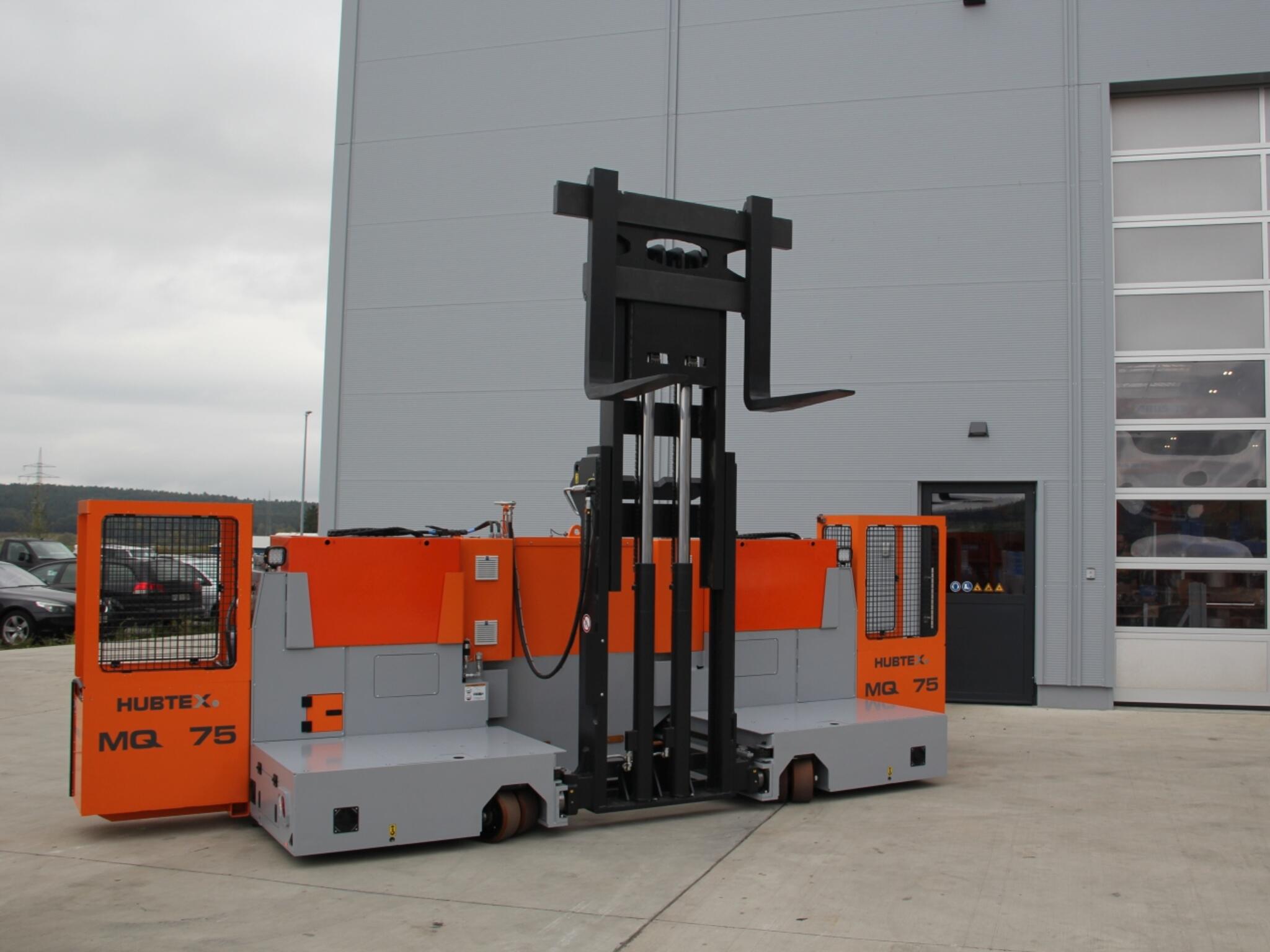
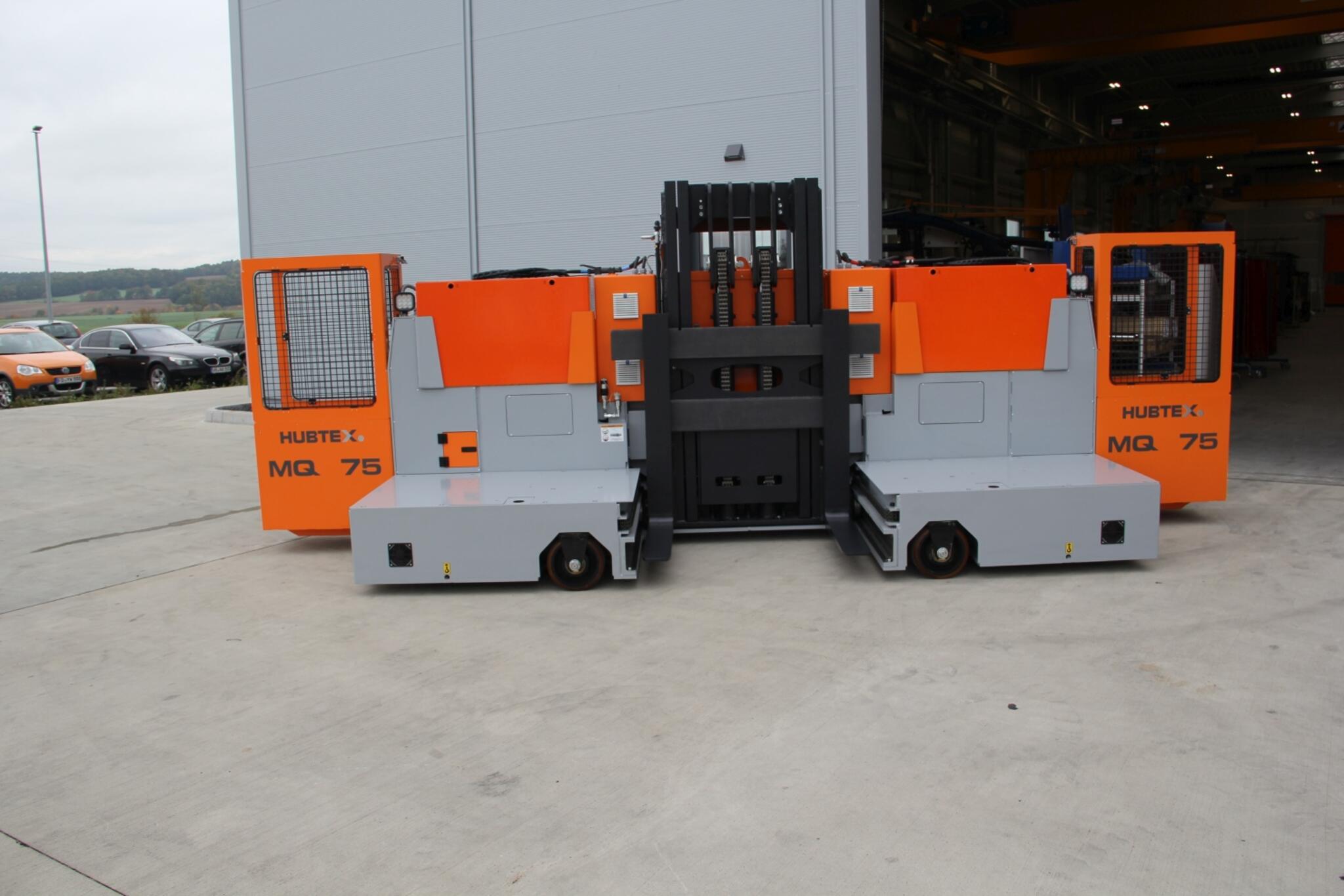
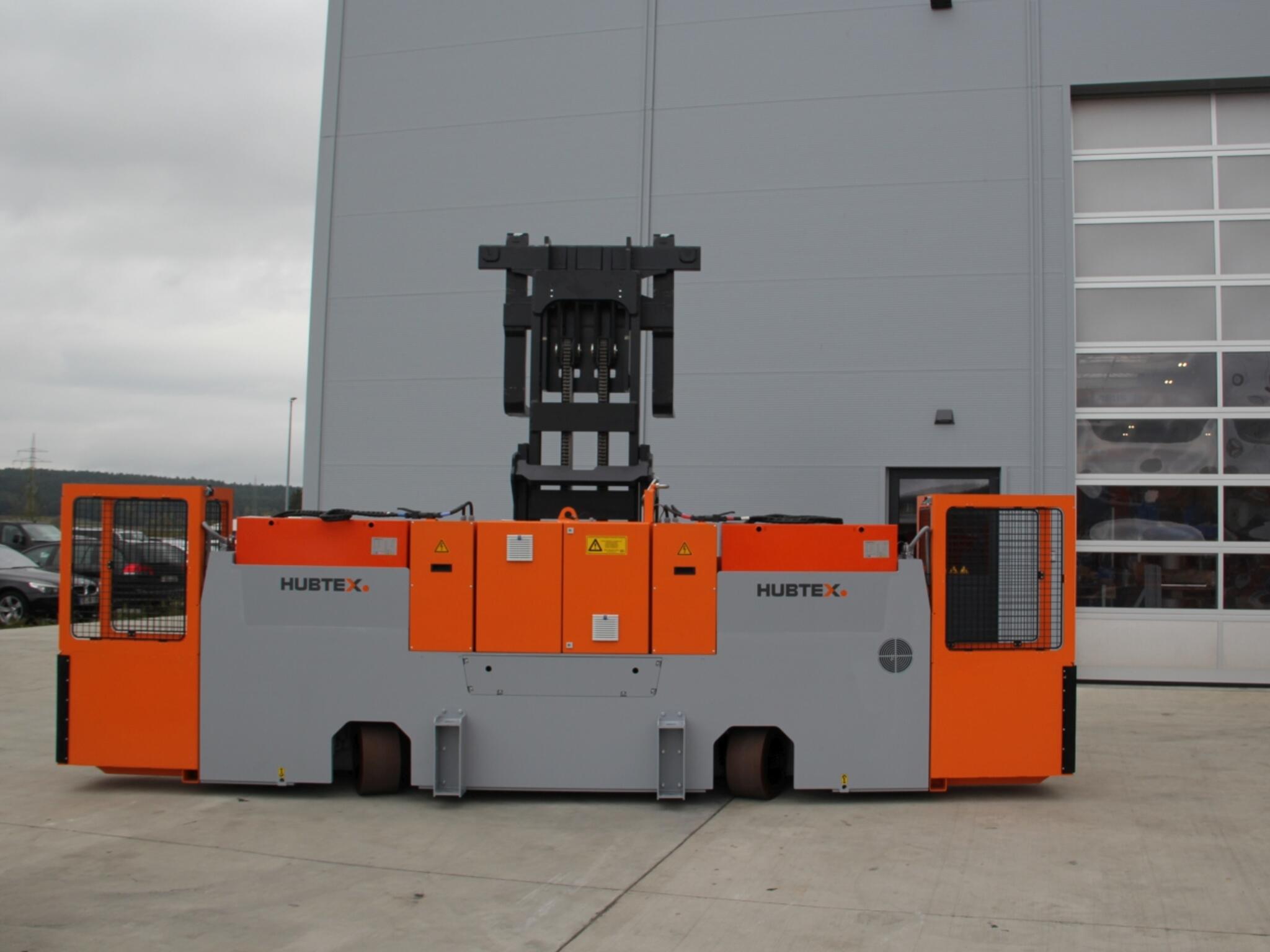
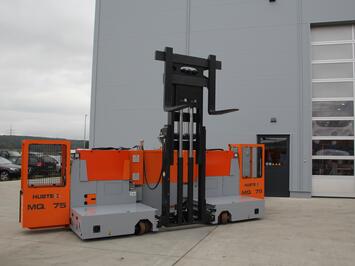
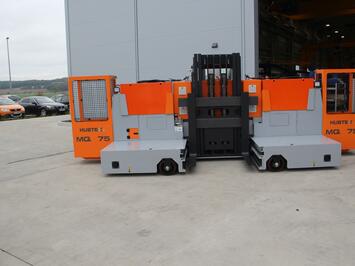
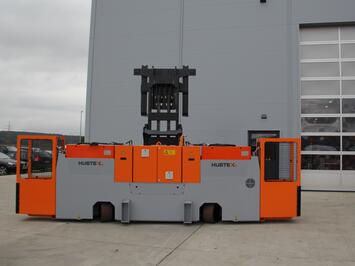
In the LHC (Large Hadron Collider), the world’s most powerful particle accelerator, particles are collided at almost the speed of light. Superconducting magnets are used to accelerate them. A HUBTEX MQ 30 SO and an MQ 75 SO are used for their installation, as space within the tunnel is extremely limited. The MQ 75 SO is deployed for transporting heavy loads. It features detachable cabs, giving the truck more compact dimensions and allowing it to be operated by remote control. For particularly narrow sections, the ML 30 SO is used, as it is distinguished by its especially compact dimensions.
Request Quote
Cern - Large Hadron Collider
The world’s most powerful particle accelerator
The Large Hadron Collider (LHC) was commissioned in September 2008. It is a 27-kilometre particle accelerator located 100 metres underground in the border region between France and Switzerland. The LHC is equipped with 9,593 magnets, which make it possible to collide particles at extremely high energy levels. This high energy enables researchers and physicists to gather important data in order to address unresolved questions between different theoretical approaches.
Features


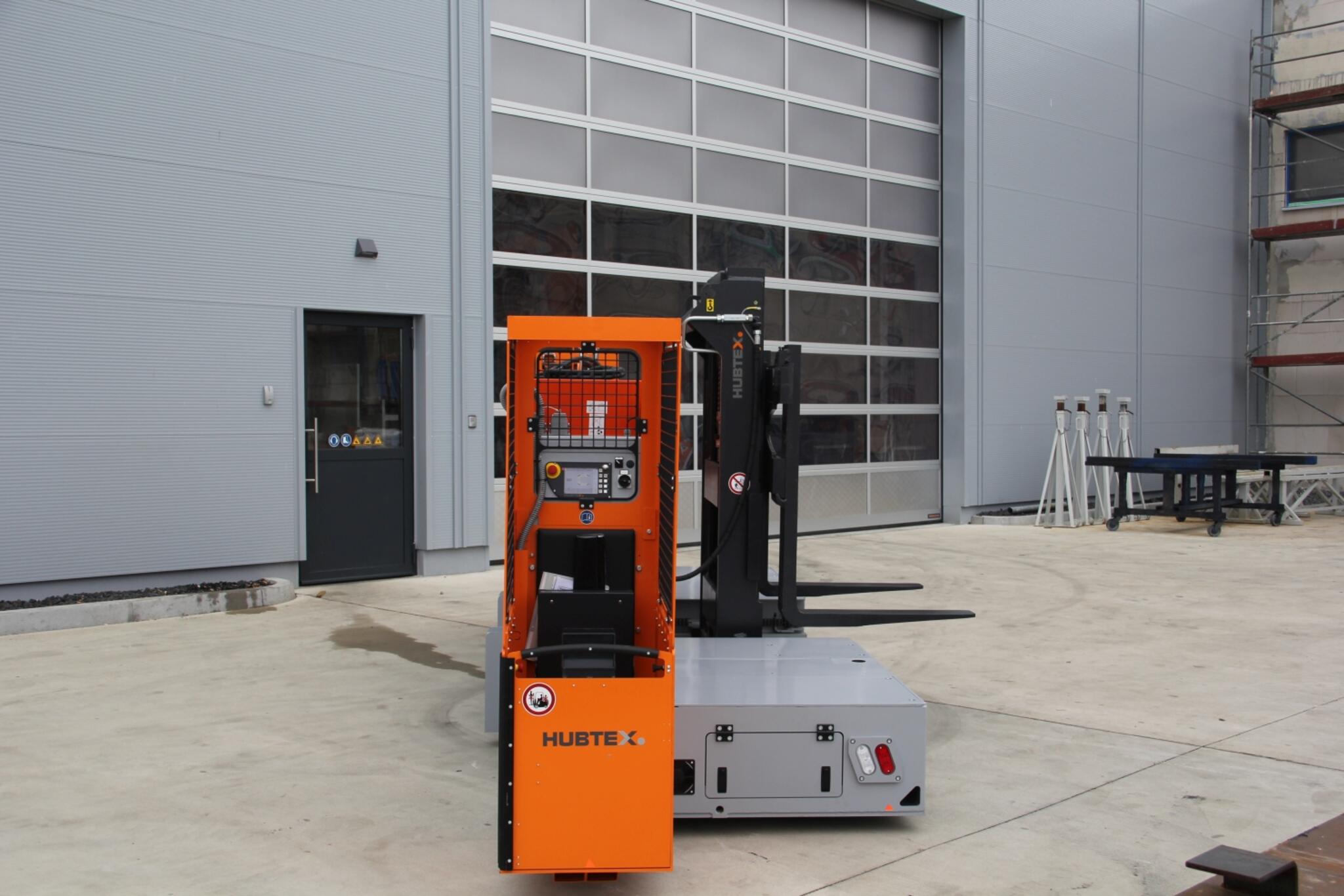
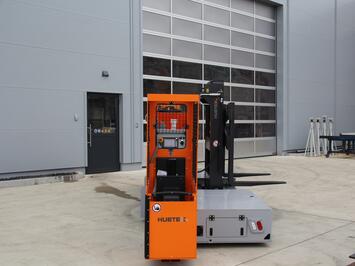
Space within the Large Hadron Collider (LHC) is extremely limited, making optimal use of the available area essential. As a special solution, HUBTEX developed one or two detachable cabs, significantly increasing the flexibility of the MQ 75 SO in operation. This reduces the chassis length from 6020 mm with both cabs fitted to 4290 mm. The long-load fork carriage can also be removed when particularly long loads do not need to be transported.

To further enhance efficiency and flexibility, the sideloader can also be operated by remote control. This allows operators to manoeuvre the sideloader from a distance when the cabs have been removed. It is also particularly useful where confined spaces make direct visibility of the vehicle more difficult.