The forklift drive
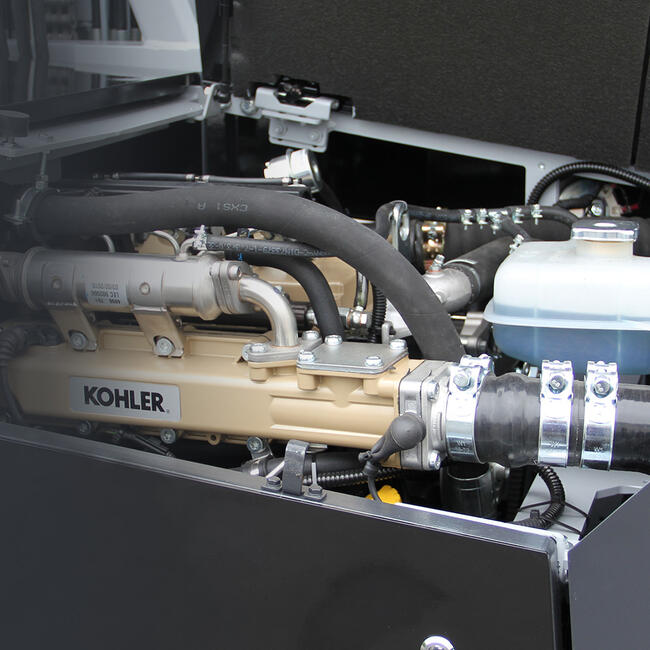
Modern forklift trucks currently rely on three different types of drive: petrol, diesel or LPG with combustion engines (V-type forklifts), forklifts with electric motors (E-type forklifts) and industrial trucks with hybrid drives. Depending on the area of application and the requirements of that area, each forklift drive has specific advantages and disadvantages. Since petrol and hybrid drives are comparatively rare, the following article deals primarily with forklifts that are equipped with diesel and gas drives as well as electric motors.
One of the most important features of a forklift truck is its drive concept. The type of forklift drive determines where the forklift can be used cost-effectively and to what extent. Forklifts with combustion engines are primarily intended for use outdoors, although modern LPG forklifts are now so low in emissions that they are also suitable for indoor use under certain conditions.
An overview of the areas of application for the various forklift drives:
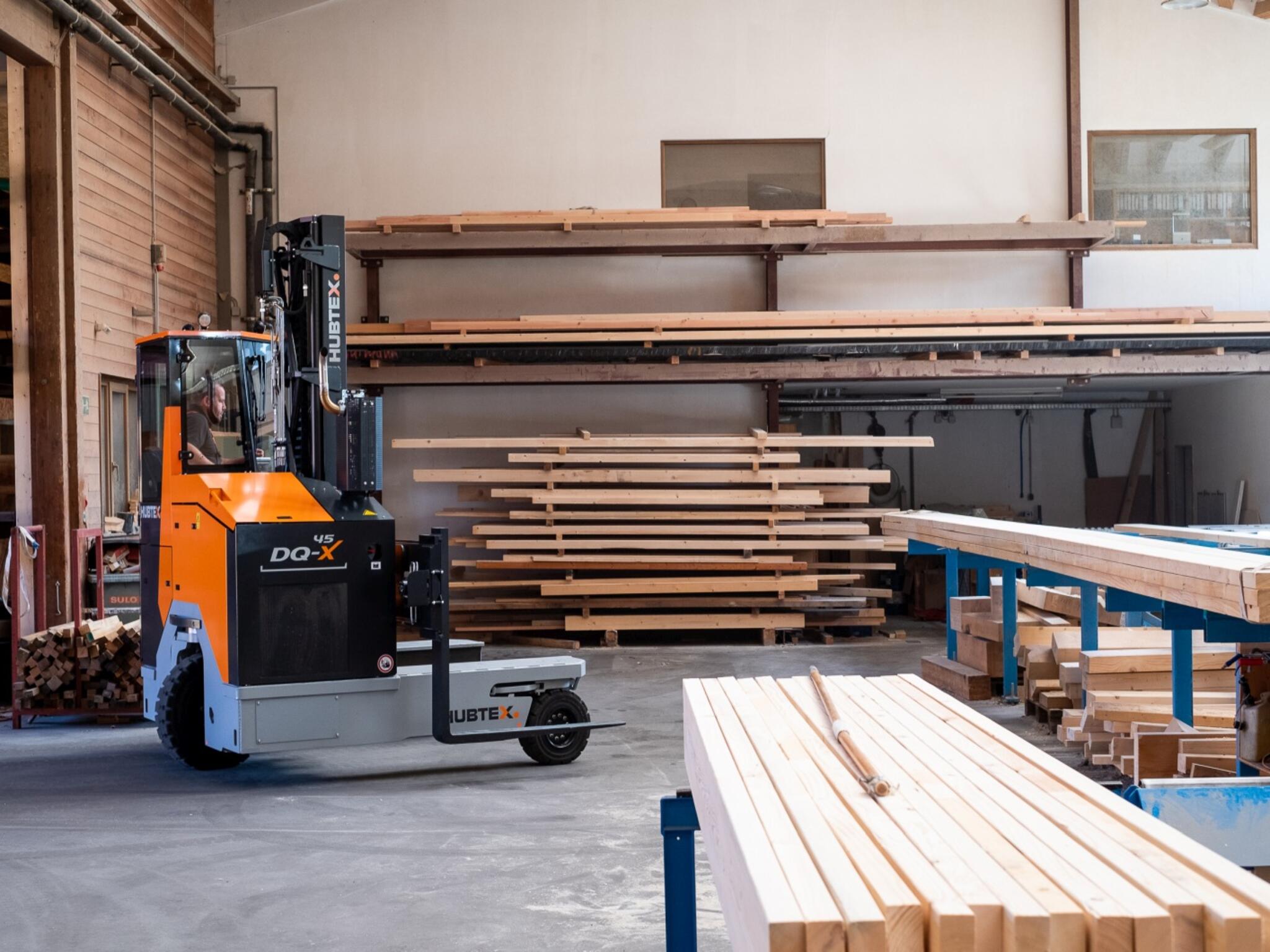
For intensive and demanding outdoor operations, diesel power –often used in four-way sideloaders – is the most popular choice.
Advantages of diesel forklifts
Disadvantages of diesel forklifts
Gas forklifts are available with liquid gas engines and with natural gas engines. Liquid gas-powered trucks are available in 2 variants, LPG and compressed gas forklifts. In contrast to diesel forklifts, LPG forklifts can also be used indoors if there is sufficient ventilation. Therefore, this type of forklift drive is advantageous, for example, in storage areas where battery chargers cannot be installed.
Advantages of gas forklifts
Disadvantages of gas forklifts
The combustion of petrol produces, among other things, poisonous carbon monoxide, which is harmful to the environment and can be fatal to humans even in small doses. This can be prevented by using unleaded petrol and catalytic converters. Only petrol-powered forklifts equipped with a catalytic converter are permitted in enclosed spaces. In order to avoid accidents, special care is also required when handling the highly flammable fuel.
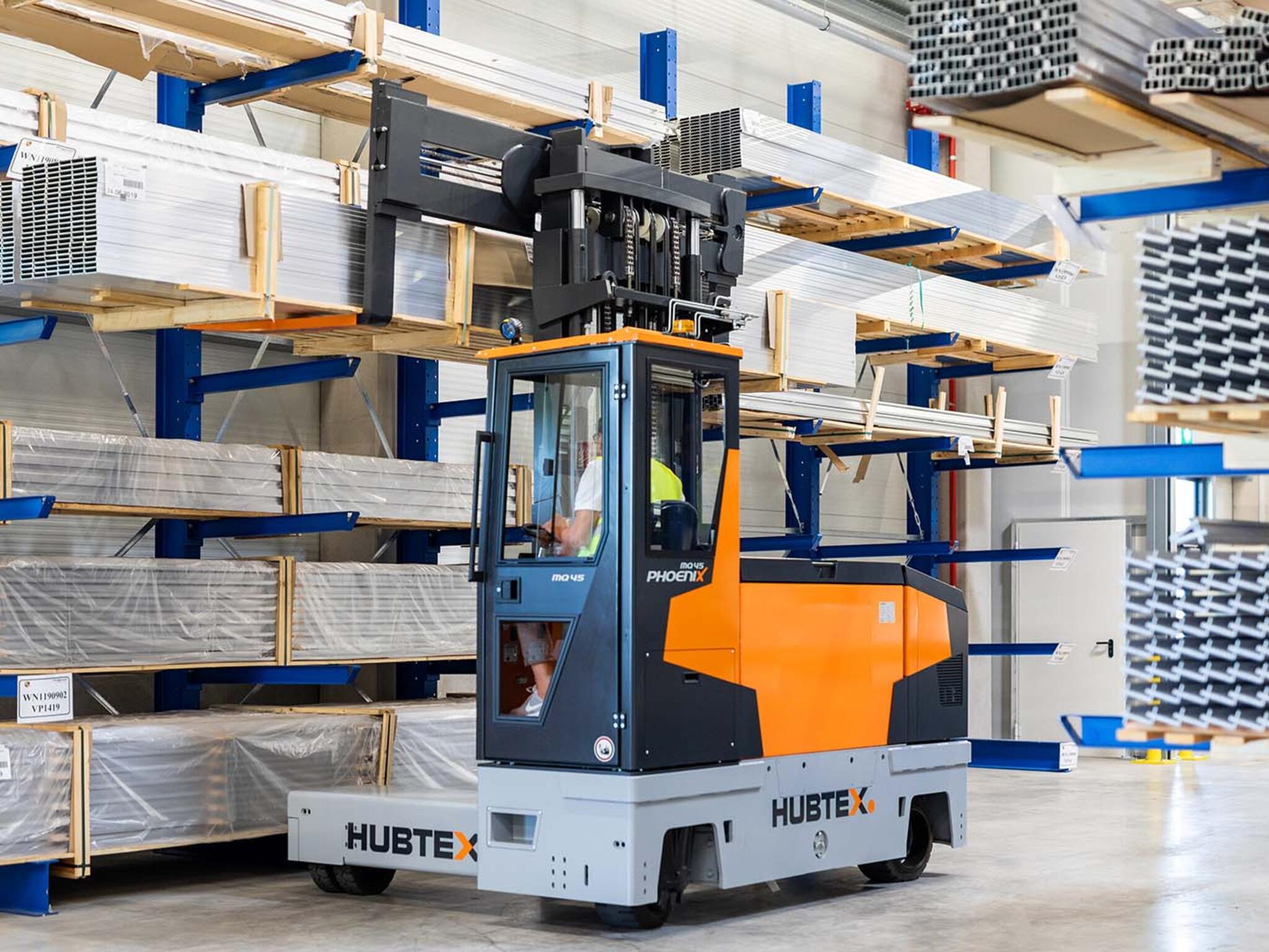
Forklifts with electric motors are the most popular choice when it comes to internal goods handling and transport within production halls and warehouses. Under certain conditions, electric forklifts, such as our multidirectional trucks, can also be good alternatives to forklifts with combustion engines. Since they operate very quietly, electric forklifts are particularly suitable for outdoor use in residential areas (mixed areas).
Advantages of electric forklifts
Disadvantages of electric forklifts
In addition to the drive types mentioned, energy-saving forklifts with hybrid drives are also available. As with passenger cars, this type of forklift drive combines diesel drives with electrical energy storage devices (accumulators). However, the purchase costs of these models are significantly higher than conventional forklifts, therefore the investment is not worthwhile for every company.
Before deciding on a diesel, gas or electric forklift truck, the conditions and requirements of the site should be carefully considered. This is the only way to weigh up the advantages and disadvantages of the different drive types.
The following questions are designed to help you come to a decision:
In working environments with unique challenges, such as in cold stores or in dusty locations, it is vitally important to choose the right type of forklift drive. For example, in the food industry, various hygiene regulations must be observed, which electric forklifts fulfill far better than LPG or diesel forklifts. In comparison, there is a good reason why heavy-duty forklifts with load capacities of up to 80 tons are powered by LPG drives or are equipped with powerful diesel engines.
Your contact